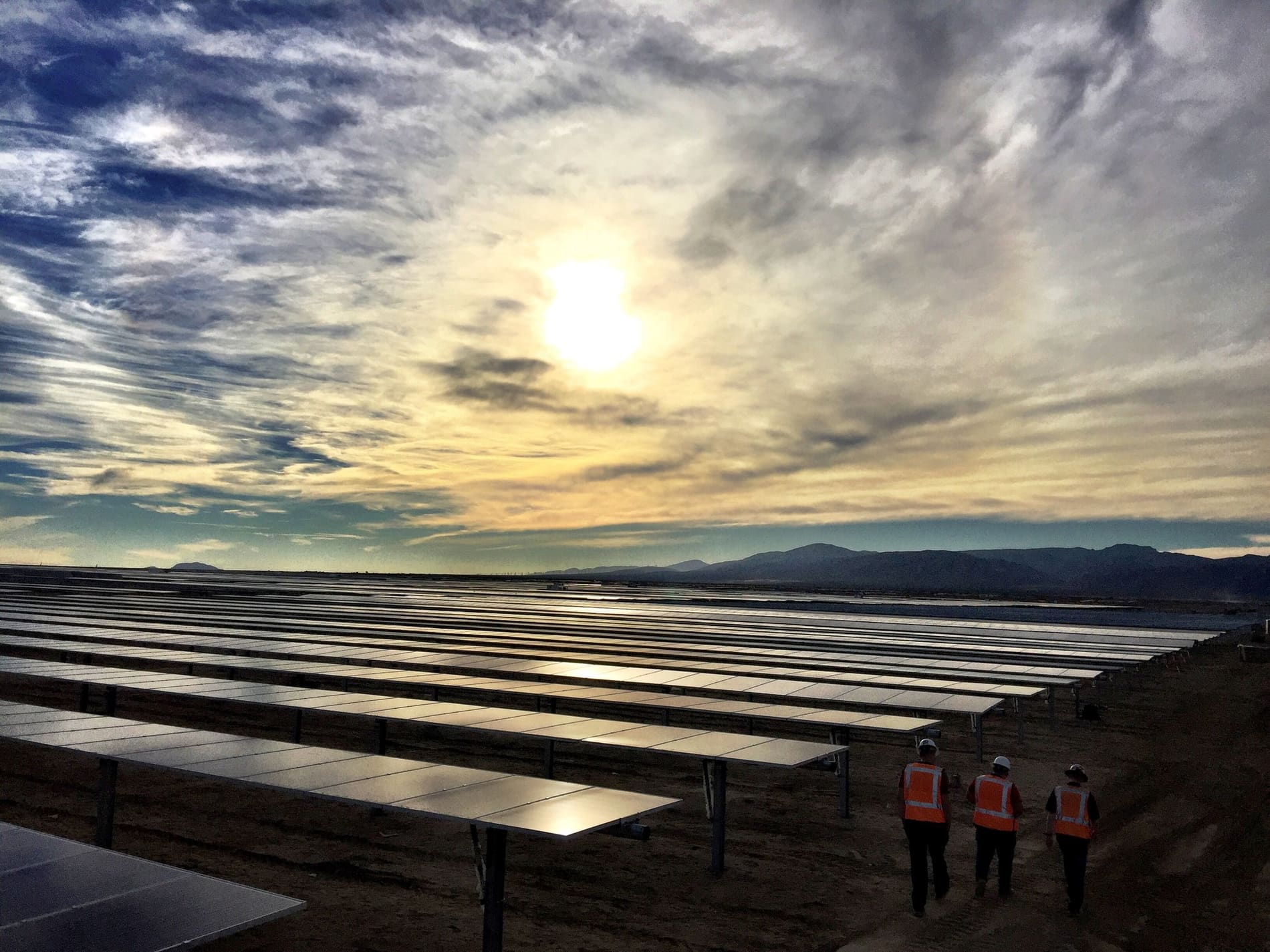
Strong, steady irradiance
Global horizontal irradiance in the region runs around 5.5–5.8 kWh/m²/day with a long, reliable clear-sky season. Low humidity and minimal cloud cover through most of the year mean fewer generation dips.
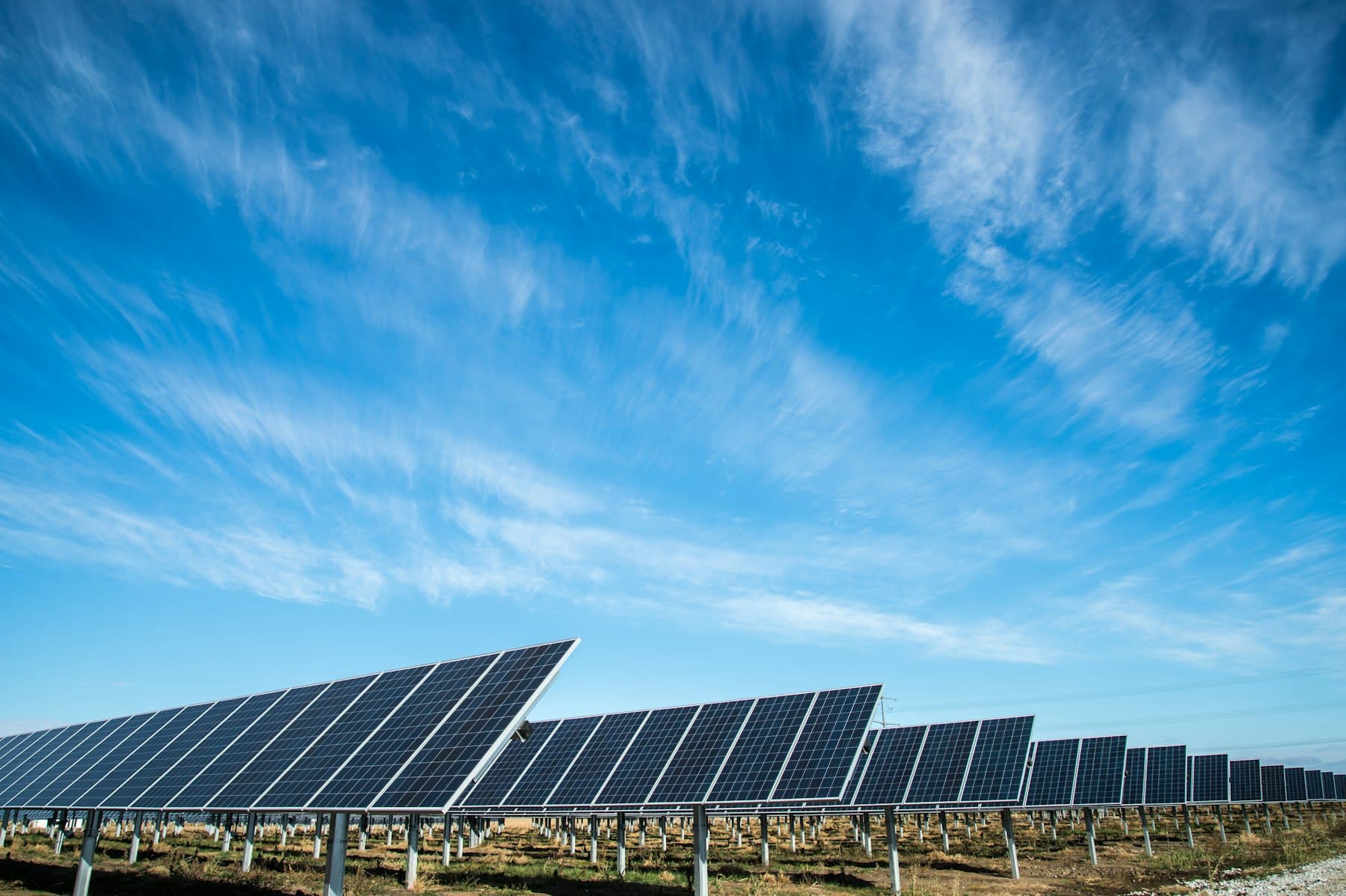
Under development · Chitradurga, Karnataka
VS3 Solar is developing a 6 MW ground-mounted solar plant in Chitradurga. Every unit it generates will be sold to private buyers across Karnataka through a dedicated SPV under the state's open access framework.
Installed capacity, ground-mounted
Estimated annual generation
Project land footprint
Emissions avoided vs. grid power
Figures are indicative estimates based on a ~20% CUF and typical Chitradurga irradiance; final numbers are subject to detailed engineering.
01 — The plant
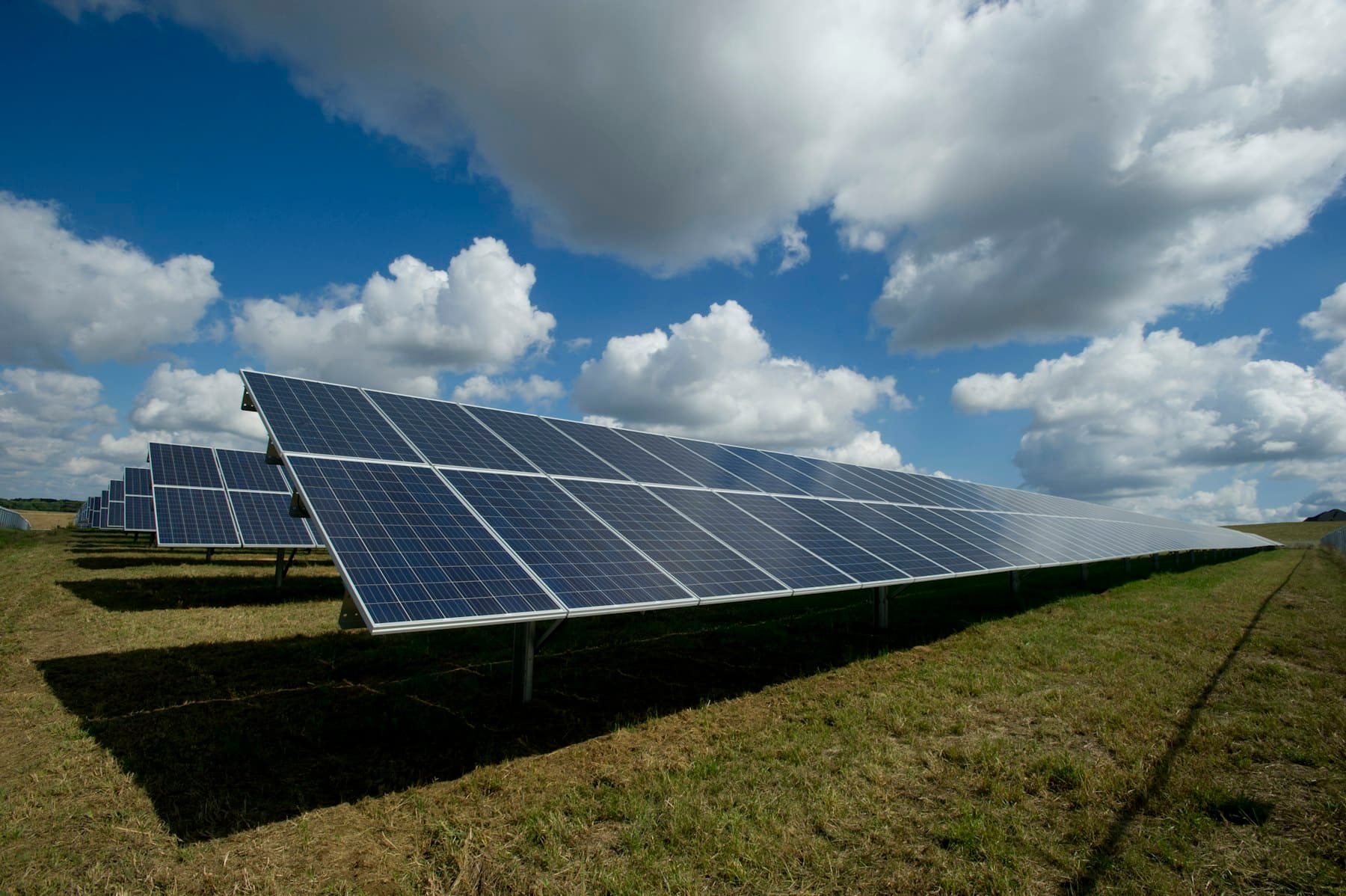
The plant is a conventional ground-mounted photovoltaic array: rows of high-efficiency modules on steel structures, feeding string inverters and a step-up transformer that connects to the state grid at the nearest substation.
Nothing exotic — and that is the point. Solar of this size is a proven, bankable, low-maintenance asset. Once it is energised, the panels sit quietly in the Chitradurga sun for the next two and a half decades, producing power at a cost that is fixed on day one and never sees a fuel-price revision.
02 — The location
Chitradurga sits in Karnataka's dry central belt — the same corridor that has drawn wind and solar developers for two decades. It is one of the better places in India to put a panel in the ground.
Global horizontal irradiance in the region runs around 5.5–5.8 kWh/m²/day with a long, reliable clear-sky season. Low humidity and minimal cloud cover through most of the year mean fewer generation dips.
The district already hosts substantial wind and solar capacity, which means evacuation infrastructure, substations and experienced O&M contractors are nearby rather than something we have to build from scratch.
Flat, arid, low-yield terrain keeps land cost and site preparation down, and avoids the displacement of productive farmland — a large part of why solar economics work here at all.
Roughly 200 km from the Bengaluru industrial belt, so wheeled power reaches Karnataka's largest concentration of commercial and industrial consumers with modest transmission losses.
03 — How the power is sold
The plant is held by a dedicated special purpose vehicle. Private buyers in Karnataka take a stake in — or contract capacity from — that SPV, and receive the generated units through the state's open access network. No rooftop. No capital outlay. No fuel risk.
A ring-fenced company owns the 6 MW plant, its land, approvals and grid connection.
HT commercial and industrial consumers take equity in the SPV or sign a long-term supply arrangement for a slice of the capacity.
Generation is injected into the grid and wheeled to your connection under Karnataka's open access regulations.
Units delivered are set off against your utility consumption each month, at a tariff fixed for the long term.
04 — Gallery
Construction at Chitradurga has not started yet, so the images below are of comparable utility-scale solar installations — a fair picture of what the completed plant will be.
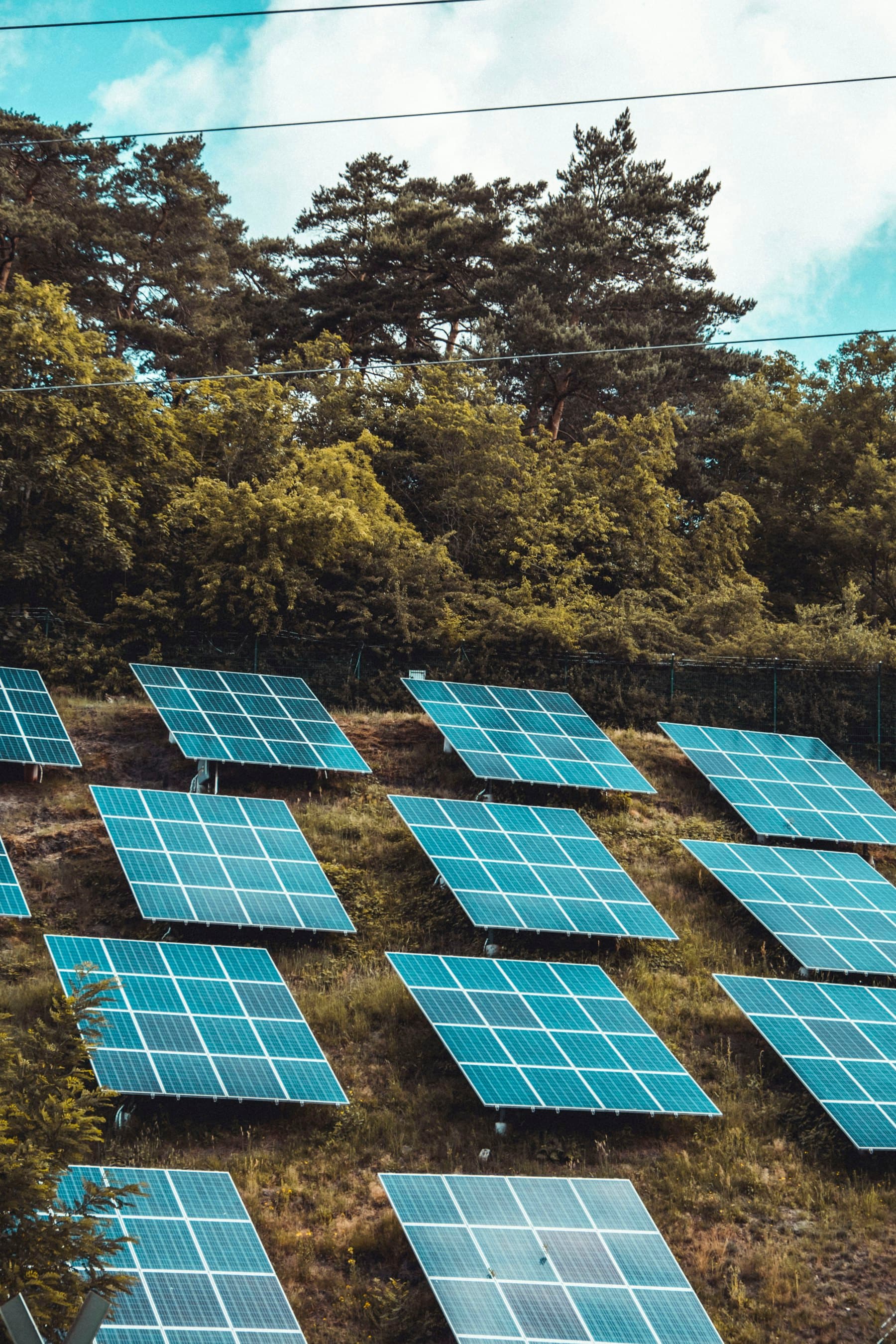
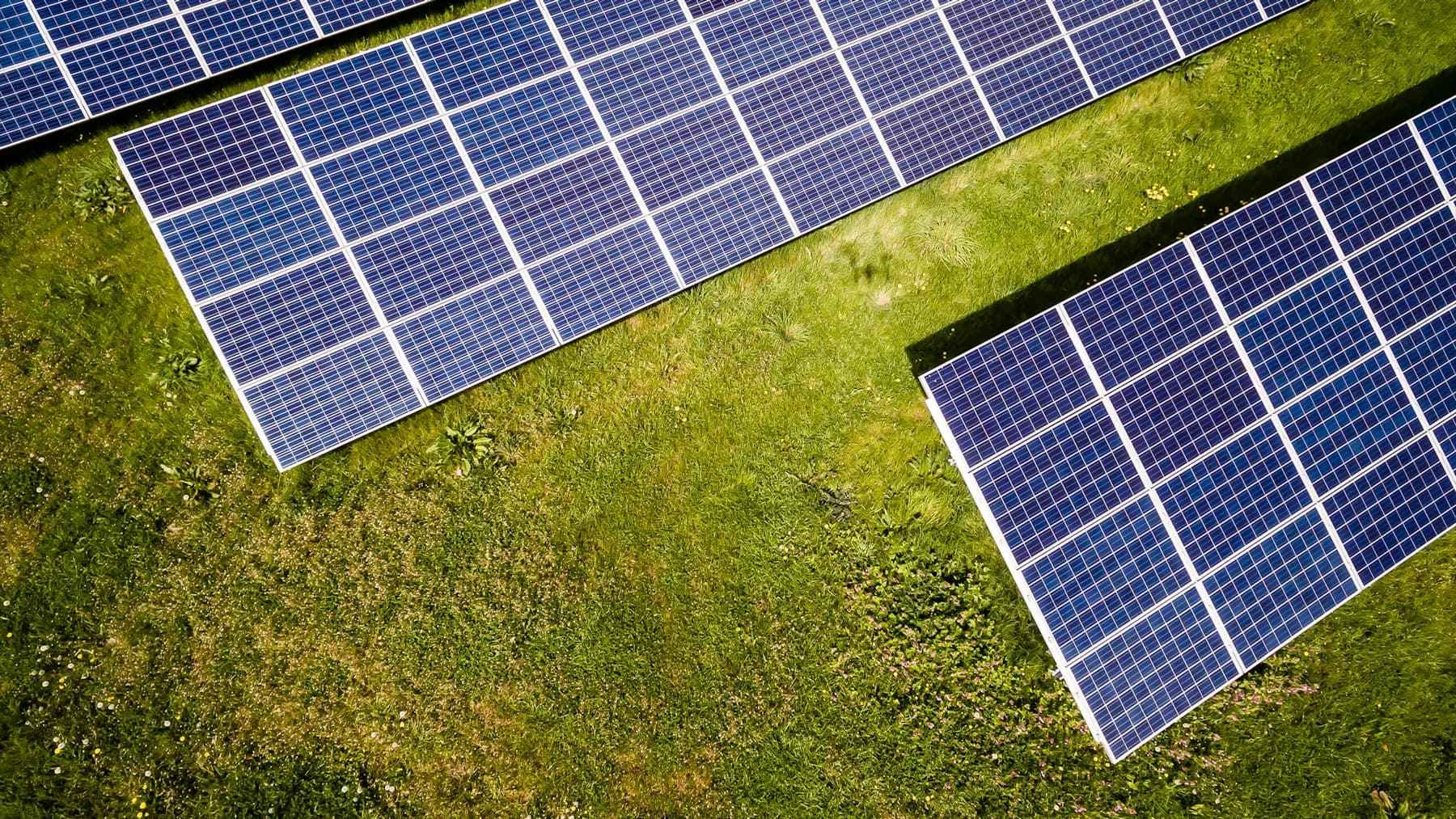
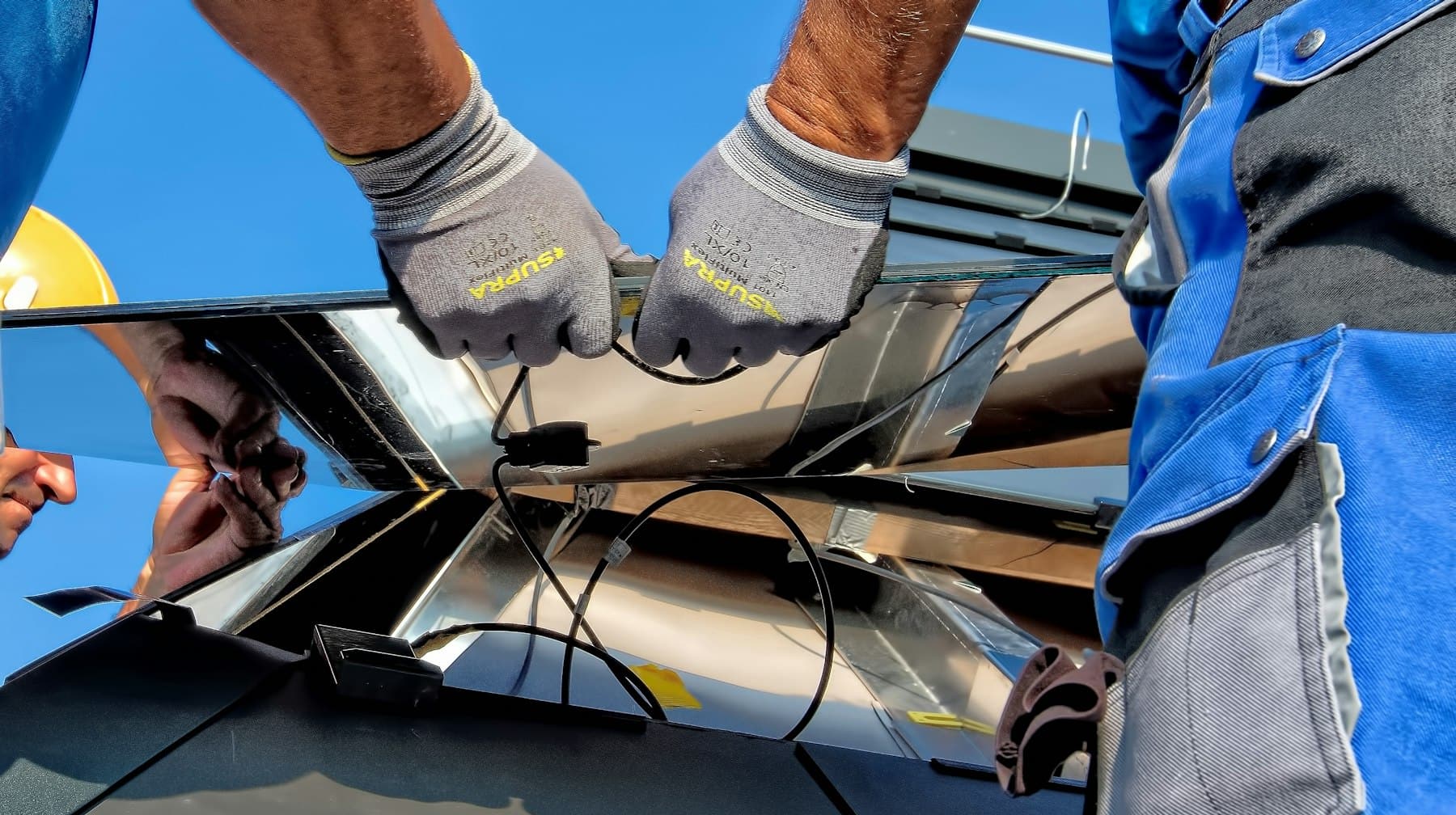
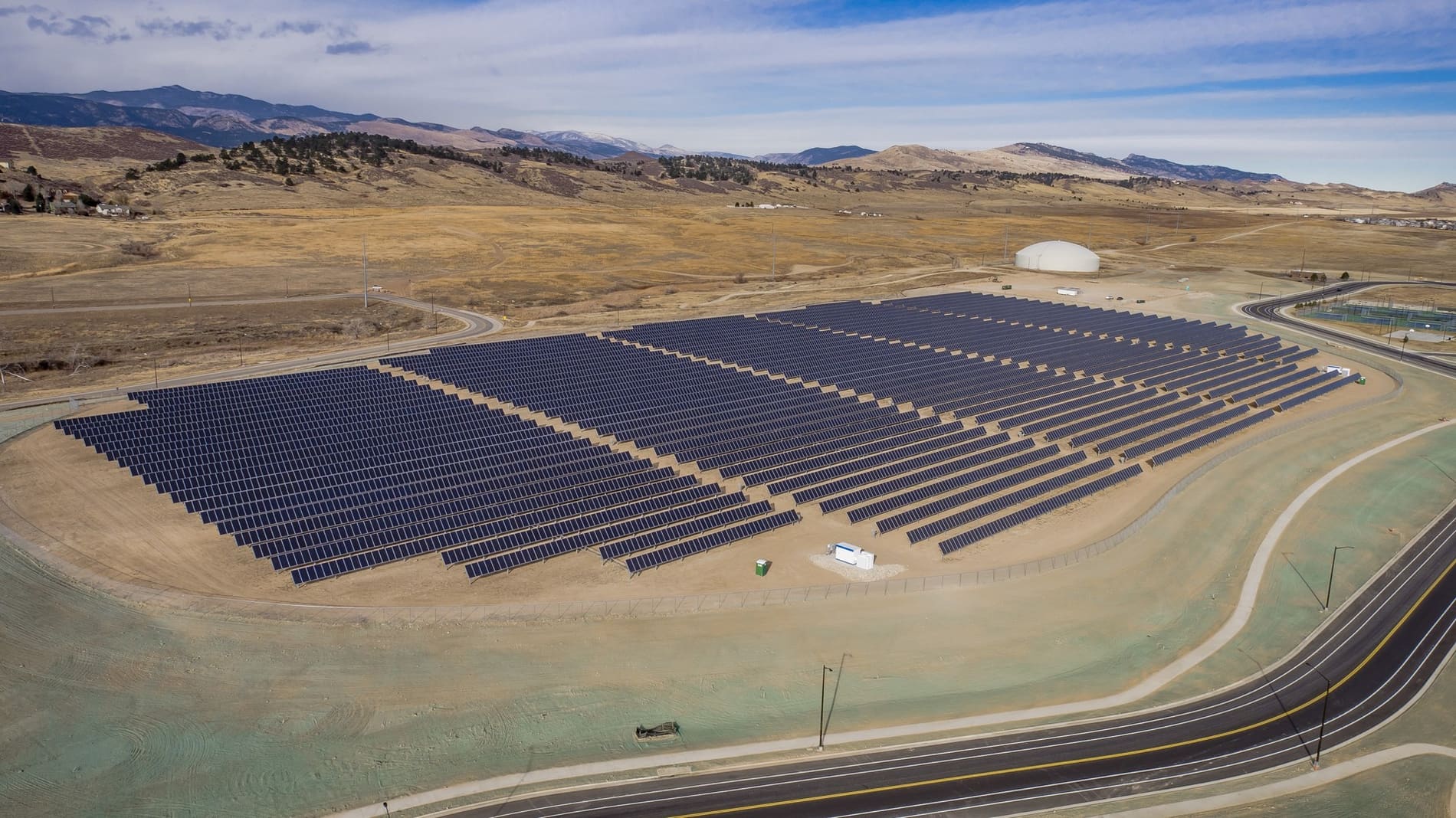
Representative imagery of comparable solar installations. Not photographs of the Chitradurga site.
05 — Where we are
Identification, due diligence and aggregation of the parcel in Chitradurga district.
Statutory clearances, evacuation approval and the open access application with the state utility.
Buyers on board, SPV capitalised, EPC contract awarded.
Civil works, module and inverter installation, transformer yard and transmission line.
Testing, grid synchronisation and first units delivered to buyers.
Stage sequence is indicative. Dates will be confirmed as approvals and financial close progress.
06 — Get in touch
We are speaking with commercial and industrial consumers in Karnataka about offtake from the plant, and with investors about the SPV. If either is relevant to you, send us a note and we will come back with the project brief and indicative numbers.